Loading...
Serving Yucca Valley, CA and surrounding areas. (442) 205-1935
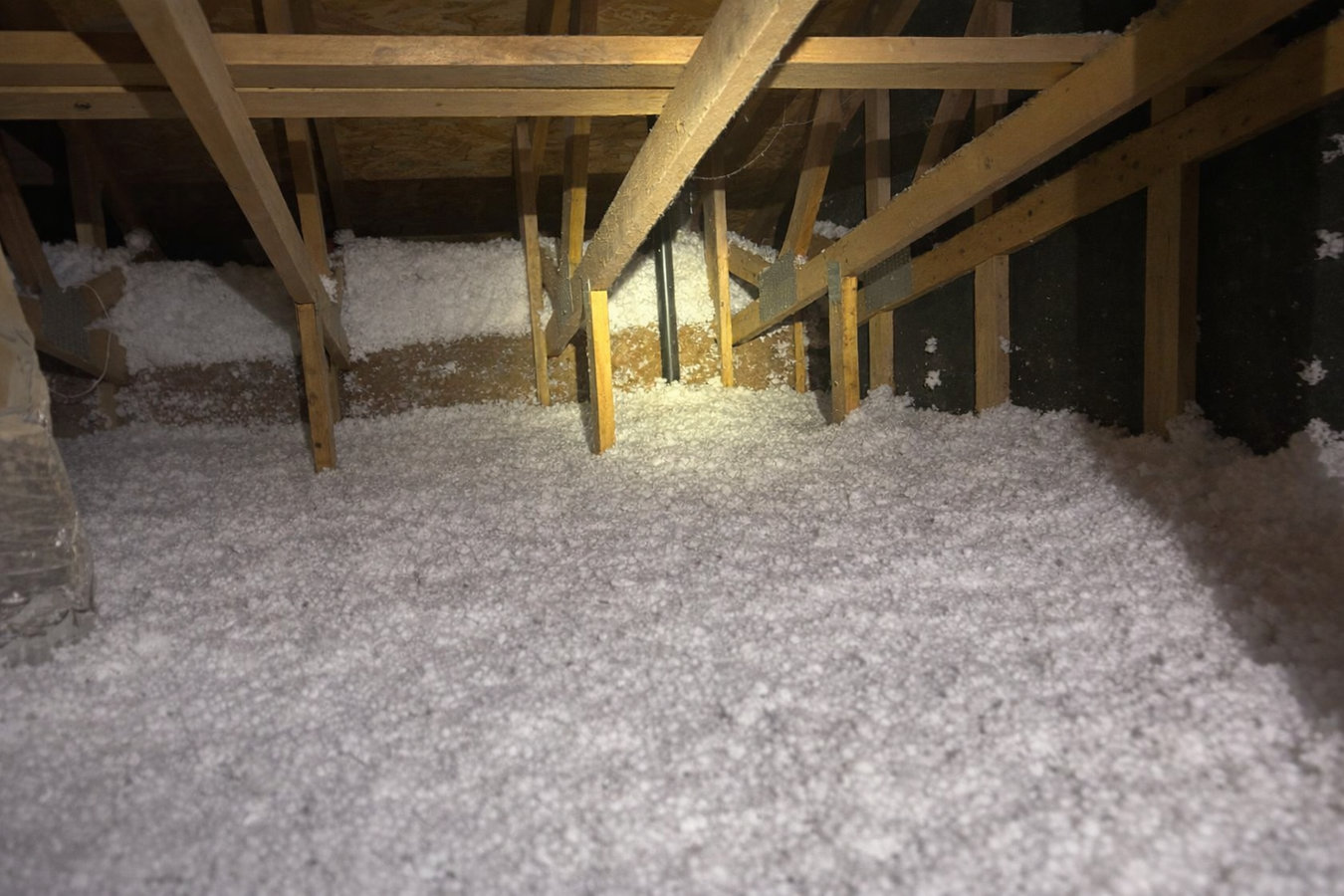
Loose-fill insulation reaches every corner of your attic that batts miss - stopping heat and desert dust from pouring into your home all summer.
Blown-in insulation in Yucca Valley is a loose-fill material - fiberglass or cellulose - blown into your attic using a large hose, filling every corner and gap that rigid batts cannot reach. Most jobs on a standard single-story home take two to four hours of actual installation time, with the full visit typically wrapping up in half a day.
Yucca Valley sits in one of California's most demanding climate zones. Attics here can exceed 150 degrees on a summer afternoon, and that heat radiates directly into your living space. Blown-in material creates a continuous thermal barrier that breaks that cycle. If you have also noticed fine desert dust settling on surfaces faster than it should, air sealing done before the blow-in addresses both problems at once. For homes that need a broader upgrade, home insulation covers attic, wall, and floor systems together.
Homes built before 1990 in this area are almost always under-insulated by today's standards - and the insulation that was installed has often settled over the decades. Adding blown-in material on top of existing insulation is common and effective. You do not always need to remove the old material first.
Yucca Valley nights cool off significantly in summer - but if your home stays stuffy and warm well into the evening, your attic is storing heat all day and releasing it slowly into your living space. If your AC runs almost constantly after sunset, that is the same signal.
Desert summers are hard on any home, but if your cooling costs feel out of proportion compared to similar-sized homes nearby, thin or missing attic insulation is often the culprit. A dramatic jump from spring to summer utility bills is worth investigating.
If you can see the wooden beams running across your attic floor clearly, your insulation is almost certainly too thin. Properly insulated attics in this climate should have insulation deep enough that the joists are fully buried - something you can check safely from the attic access opening.
Most Yucca Valley homes built before 1990 were insulated to standards now considered inadequate for a high-desert climate. If you have never had insulation added, the original material has likely settled and thinned significantly over the years. A quick attic check or free assessment will tell you where you stand.
We install both fiberglass and cellulose blown in insulation depending on your home's needs and your budget. Cellulose is often preferred in dry desert climates because it does not absorb moisture the way it might in humid regions. Fiberglass is another reliable option with strong thermal performance. Before any material goes in, we air seal gaps around pipes, wiring, and light fixtures - the step that makes the biggest difference in results and is sometimes skipped by less thorough contractors.
Our blown-in service pairs naturally with attic insulation upgrades for homes that need a full attic overhaul, including removal of old degraded material. For homes where walls and floor systems also need attention, we can scope a broader home insulation project to address every area in one engagement.
Best for existing homes where the attic floor is accessible - covers the full area evenly without opening walls.
Recycled paper treated for fire and pest resistance - a good fit for dry desert climates where moisture is not a concern.
Spun-glass material that resists settling over time - a durable option for attics with long, flat runs.
The most complete treatment - gaps are sealed first, then insulation is blown in for maximum thermal and air quality benefit.
Yucca Valley sits at roughly 3,300 feet elevation in the high desert, where summer days can push past 105 degrees and nights drop dramatically - sometimes 30 to 40 degrees cooler. That daily temperature swing puts constant stress on your home's thermal envelope. An attic with thin or degraded insulation acts like a heat sponge all day, then releases that stored heat into your living space at night, making your air conditioner work overtime even after the sun goes down. Blown-in insulation breaks that cycle because it fills the attic floor completely - no thin spots, no gaps near the eaves.
The area's extremely dry, windy conditions mean fine desert dust infiltrates homes constantly through gaps around pipes, wires, and light fixtures. Air sealing those gaps before blowing in insulation is especially valuable here - it keeps dust out as well as heat, and homeowners often notice cleaner indoor air as a side benefit. We serve homeowners throughout the high desert, including Joshua Tree and Twentynine Palms, where housing stock from the same era faces the same insulation challenges.
California enforces a statewide energy code that sets minimum insulation levels for this climate zone. A reputable contractor installs to at least code-minimum levels and can explain exactly what that means for your home. Learn more from the California Energy Commission.
When you reach out, we ask a few basic questions - square footage, home age, and what has been bothering you. We respond within 1 business day. Most jobs can be scheduled within one to two weeks of your first call.
We access your attic, measure current insulation depth, check for air gaps, and look for anything that could affect the job. You get a written estimate with a clear scope - including the depth and material we will install - before committing to anything.
On installation day, we start by air sealing gaps around pipes and fixtures - usually 30 to 60 minutes. Then we blow the insulation to the target depth. The full job typically takes two to four hours. The access area is cleaned before we leave.
Blown-in insulation has no curing time. You can use your home normally right away. Within the first few weeks, you should notice your home staying cooler longer and your AC cycling less often.
We respond within 1 business day. There is no obligation after you submit - someone from our office will call to schedule a free on-site estimate at a time that works for you. You will know exactly what we found and what we recommend before any work begins.
We seal gaps around pipes, wires, and light fixtures before any insulation goes in. This step is often skipped by less thorough contractors - but it is what makes the biggest difference in results, especially in Yucca Valley's dust-prone, windy climate.
You receive a written scope of work that includes the insulation depth, material type, and total cost before we start. Nothing happens without your sign-off, and we will explain exactly what we found in your attic in plain terms.
We select insulation materials suited to Yucca Valley's dry, high-desert climate. Cellulose and fiberglass each have strengths in this environment, and we explain our recommendation before the job begins.
Southern California Edison and SoCalGas offer rebates for qualifying insulation upgrades. We help you document the work so you have everything needed to submit a rebate claim - a step many contractors skip entirely.
Blown-in insulation is only as good as the installation - and installation quality is not something you can always see from the outside. We document the depth achieved, walk you through the finished work, and leave you with everything you need for a rebate claim or future home sale.
A whole-home insulation assessment covers every area - attic, walls, and floor systems - so no heat pathway is left unaddressed.
Learn MoreDedicated attic insulation upgrades target the single biggest source of heat gain in Yucca Valley homes, with lasting results.
Learn MoreSummer in Yucca Valley waits for no one - the sooner your attic is insulated, the sooner your home holds its temperature and your bills come down.