Loading...
Serving Yucca Valley, CA and surrounding areas. (442) 205-1935
Yucca Valley Insulation brings professional insulation services to Morongo Valley, covering wall insulation, spray foam, attic insulation, and crawl space work for homes built in the high desert climate. We have served the San Bernardino County desert communities since 2019 and respond to new inquiries within one business day.
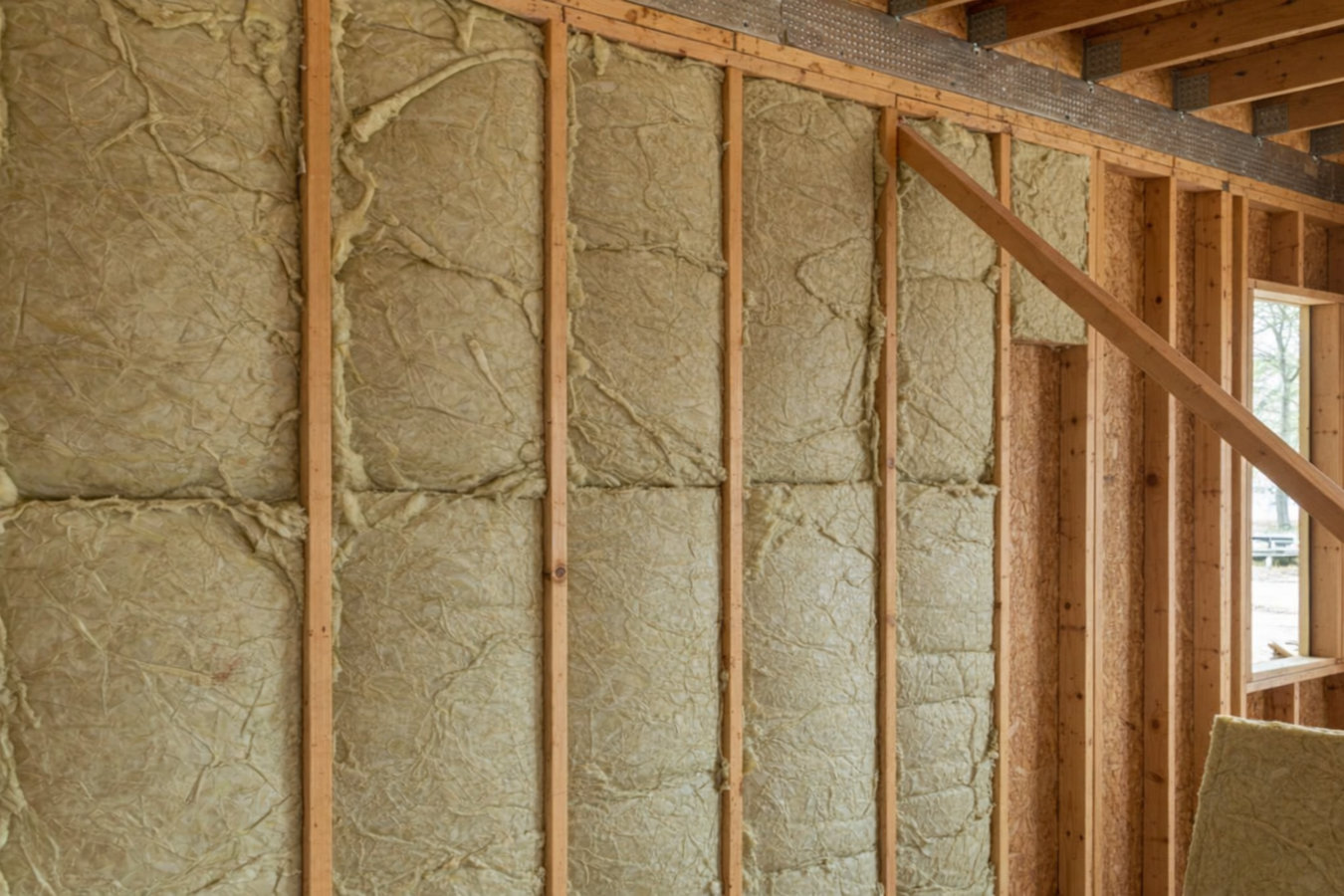
Most homes in Morongo Valley were built between the 1950s and 1980s with insulation levels that fall well short of today's standards - and the desert temperature swings make the gap obvious in your utility bills. Our wall insulation service adds a thermal barrier to existing walls without major demolition, cutting heat transfer between the scorching exterior and your living spaces.
Morongo Valley sits at about 2,600 feet, which means temperatures can swing from near-freezing on winter nights to well above 100 degrees on summer afternoons - sometimes 40 degrees of difference in a single day. Spray foam seals air gaps and insulates at the same time, stopping conditioned air from escaping through the cracks and joints that open up from constant thermal expansion.
The intense sun at high desert elevations heats attic spaces to extreme temperatures, and without adequate insulation overhead, that heat pushes straight down into living areas. Topping off or replacing attic insulation is one of the fastest ways Morongo Valley homeowners can reduce the load on their cooling systems.
Older homes in Morongo Valley often have irregular attic cavities, rock-wool batts that have settled and compressed over the decades, or no insulation at all in certain sections. Blown-in insulation fills every gap and corner without requiring demolition, making it ideal for retrofit work on the 1960s and 1970s homes common in this area.
Sandy desert soil allows cold air to move under Morongo Valley homes on winter nights, making floors cold and forcing heating systems to work harder. Crawl space insulation creates a thermal buffer between the ground and the living space, which matters even more in homes where the floor is the primary contact point with unheated air underneath.
Morongo Valley gets brief but intense summer rainstorms that push moisture into desert soil quickly. A vapor barrier installed in the crawl space blocks that moisture from migrating upward into the subfloor and floor insulation, preventing the kind of slow damage that often goes unnoticed until it becomes a major repair.
Morongo Valley sits at about 2,600 feet in a mountain pass between the San Bernardino Valley and the Coachella Valley - a position that gives it some of the most extreme temperature swings in California. Daytime highs in July and August regularly push past 100 degrees, while winter nights can drop below freezing. That range is not just uncomfortable. It puts ongoing physical stress on roofing materials, exterior stucco, and wall framing, opening small gaps and cracks that insulation needs to address if your heating and cooling system is going to keep up.
Most of the housing stock in Morongo Valley was built between the 1950s and 1980s, before modern energy codes were in place. Many of these homes have original insulation that has compressed, shifted, or degraded over decades of desert weather. High desert wind - especially in spring and fall - carries fine sand that gets into every opening in an older home's envelope. Homes that sit empty part of the year as weekend retreats often have maintenance that has been deferred for seasons at a time. All of these conditions make proper insulation not just a comfort upgrade, but a practical necessity for keeping energy costs and repair bills under control.
Our crew works throughout Morongo Valley regularly, and we understand the local conditions that affect insulation work here. Homes in this community sit on large lots - often a half-acre or more - with sandy desert soil underneath, which means crawl space access and ground moisture conditions are different from what you find in a typical California suburb.
Most of our Morongo Valley jobs are on homes along or just off Highway 62, the main road that connects the community to the broader high desert. We know that getting out here takes planning, and we build our schedules so that your job gets a full crew day - not a squeezed-in hour between other stops. The Big Morongo Canyon Preserve borders the eastern side of the community, and homes in that area often deal with higher dust infiltration from the canyon winds, which is worth factoring into air sealing decisions.
We also serve Desert Hot Springs and Twentynine Palms, so if you have family or neighbors in those areas looking for insulation help, we are already working out that way regularly.
Reach us by phone at (442) 205-1935 or through the contact form and we will get back to you within one business day. Tell us a little about the home and what you have noticed - high bills, hot rooms, visible gaps - so we can come prepared.
We visit your Morongo Valley home, check the attic, walls, and crawl space, and give you a written estimate before any work begins. There is no charge for the assessment and no pressure to commit - we want you to understand what we are recommending and why.
We schedule a date that works for you and arrive with a full crew and all materials. Most single-area jobs in Morongo Valley - attic blown-in, wall fill, crawl space - are done in one day. Larger whole-home projects may take two to three days, and we confirm the schedule before we start.
When the work is done we walk you through the completed areas, explain what was installed and where, and answer any questions. If anything comes up after we leave, call us directly - we stand behind our work.
We serve all of Morongo Valley and respond within one business day. No pressure, no obligation - just a free assessment and an honest estimate.
Permit requirements for unincorporated San Bernardino County communities like Morongo Valley are managed by the San Bernardino County Land Use Services - Building and Safety. Most standard insulation projects do not require a permit, but we can confirm this for your specific job.
Morongo Valley is a small, unincorporated community in San Bernardino County, sitting at roughly 2,600 feet in the pass between the San Bernardino Valley and the high desert. With a population of around 3,500 to 4,000 people, it is a tight-knit place with a character that is distinctly different from the resort cities further down the Coachella Valley. The community runs along Highway 62 - also called the 29 Palms Highway - and is bookended by open desert, rocky hills, and the San Bernardino National Forest. The Big Morongo Canyon Preserve, a federally managed nature area known for its rare desert oasis and bird watching, sits right at the edge of town and is one of the community's most recognized landmarks.
Most homes in Morongo Valley are single-family houses on large desert lots, built primarily from the 1950s through the 1980s as the area developed into a mix of full-time residences and part-time desert retreats. The housing stock reflects decades of desert use - stucco walls, low-slope roofs, and large open yards with sandy soil. Many residents commute to Palm Springs, Palm Desert, or the Inland Empire for work. Neighbors in Joshua Tree to the east and Desert Hot Springs to the south share many of the same housing conditions and desert climate challenges.
High-density foam that adds structural strength and moisture resistance.
Learn MoreCode-compliant insulation solutions for commercial buildings of any size.
Learn MoreBlocks moisture intrusion to protect your crawl space and structure.
Learn MoreCall today or request a free estimate online - we respond within one business day and cover all of Morongo Valley and the surrounding high desert.