Loading...
Serving Yucca Valley, CA and surrounding areas. (442) 205-1935
Yucca Valley Insulation serves Palm Springs homeowners with attic insulation, spray foam, and commercial insulation built for the unique demands of desert construction - from flat-roof mid-century modern homes to vacation rental condos. We reply within 1 business day and schedule promptly.
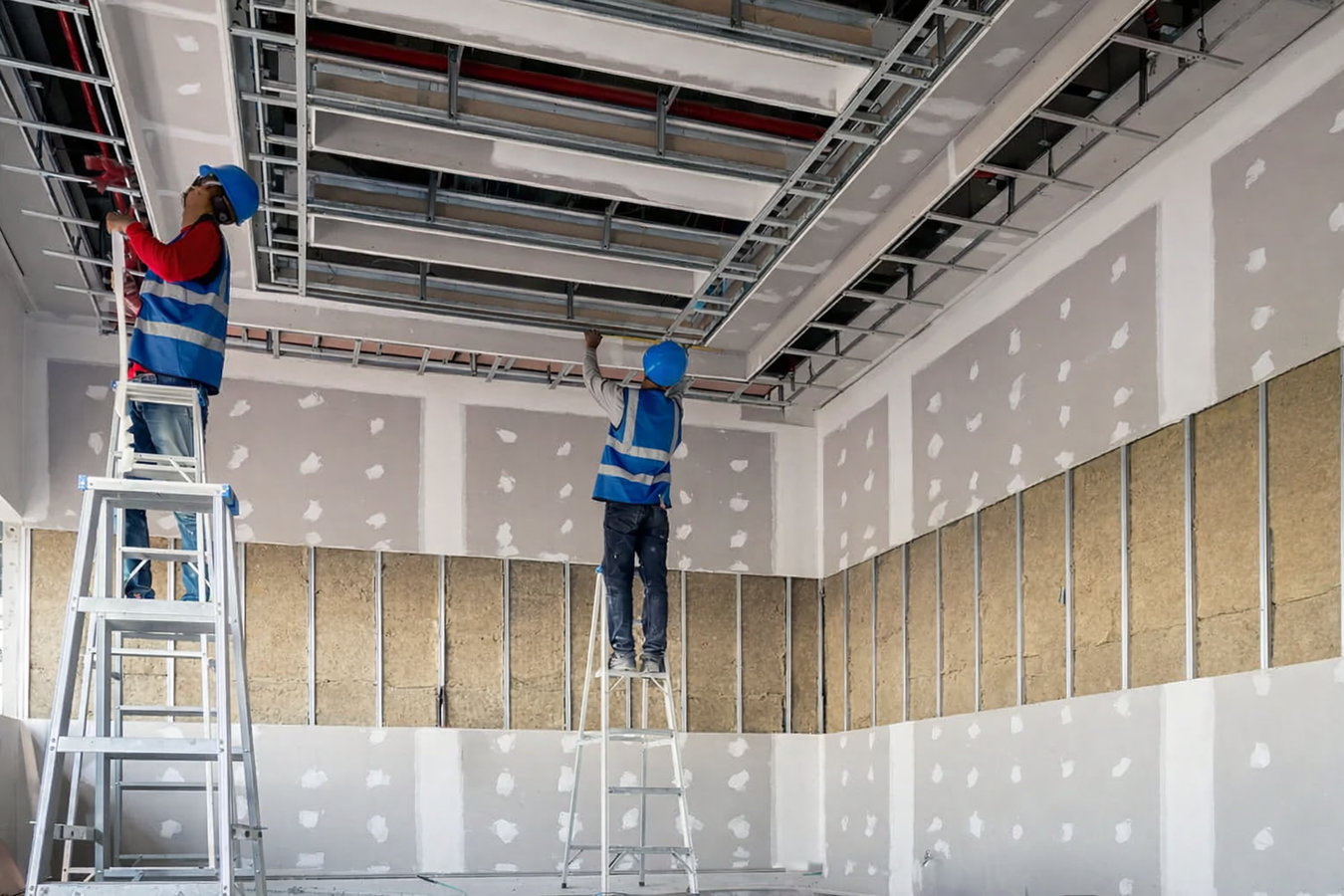
Palm Springs has a large stock of hotels, short-term rental complexes, and commercial properties that all need insulation suited to intensive year-round AC use. Our commercial insulation work is designed for the demands of properties that cannot afford downtime between guests or tenants.
Palm Springs attics can reach 150 degrees or more on a summer afternoon, and that heat pushes straight through the ceiling into living spaces. Most homes built between the 1950s and 1970s have minimal attic insulation by today's California standards, and an upgrade here produces the fastest return on comfort and energy savings.
Mid-century modern homes in Palm Springs often have large glass walls and open floor plans that allow conditioned air to escape through gaps in framing and around penetrations. Spray foam fills those pathways completely, reducing how hard the AC has to work during the long summer season.
Flat and low-slope roofs common in Palm Springs create attic cavities that are shallow and irregular. Blown-in insulation fills those spaces completely without the need to remove walls, making it the best retrofit option for mid-century homes where disturbing the original structure is not an option.
Vacation rental and second-home owners in Palm Springs often leave properties empty for months at a time. Properly air-sealed homes maintain temperature more efficiently when the HVAC is set to a setback mode, reducing both energy waste and the stress on the cooling system during the brutal summer months.
Many Palm Springs homes from the 1950s and 1960s have hollow stucco wall cavities with no insulation at all. West- and south-facing walls absorb intense afternoon sun, and adding insulation to those walls dramatically reduces the radiant heat gain that drives up cooling costs from June through September.
Palm Springs sits in the Coachella Valley and regularly sees summer temperatures above 110 degrees. The city is also one of the most concentrated collections of mid-century modern homes in the country - thousands of properties built between the 1940s and 1970s in neighborhoods like Old Las Palmas, Movie Colony, and Deepwell Estates. Those homes were designed for architectural drama, not energy efficiency. Flat roofs, large glass walls, and post-and-beam construction were all standard, and most were never retrofitted with modern insulation levels. The result is homes that work the air conditioning constantly from June through September, driving energy bills well above what they should be.
The rental market adds another layer. A significant share of Palm Springs homes operate as vacation rentals or second homes, which means some properties sit empty for months at a stretch and then get used heavily when guests arrive. Homes with poor insulation and air sealing have HVAC systems that work twice as hard to bring a hot, empty house down to a comfortable temperature. Nighttime temperatures also drop into the low 30s in the winter months, and pipes in uninsulated or outdoor locations can freeze - a surprise for homeowners who assume the desert never gets cold. Proper insulation manages both ends of that seasonal range.
Our crew works throughout Palm Springs regularly, and we understand the local conditions that affect insulation work here. The flat and low-slope roofs on mid-century homes require a different approach than the pitched roofs common in most California cities - access points are limited, attic clearance is shallow, and the roofing assembly itself needs to be understood before any insulation is added or replaced. We have worked on homes across the city, from properties near Palm Canyon Drive in the historic core to condos in South Palm Springs and newer builds in the foothills.
We also serve Cathedral City and Desert Hot Springs, so if you have neighbors or rental properties in those communities, we can handle those jobs on the same mobilization and keep your costs down. The Coachella Valley is our regular working territory, and we do not treat Palm Springs jobs as long-distance calls.
Reach out by phone or through our online contact form. We ask a few questions about your home - age, roof type, and what you have been noticing - and we respond within 1 business day to schedule an on-site visit.
A crew member visits your property, checks the attic or crawl space, and reviews the areas you are concerned about. You receive a written estimate with a clear scope before any work begins - no ballpark numbers over the phone.
Most Palm Springs attic jobs take one full day. Flat-roof homes with limited attic access or jobs that include air sealing may run into a second day. You do not need to be present for the entire job, but someone should be available for the initial walkthrough.
When the work is finished, we clean up and walk you through what was done so you can see the results before we leave. If the job required a permit, we make sure all inspections are scheduled and closed out before we consider the project complete.
We serve Palm Springs homeowners and property managers with no-pressure estimates. Call us or submit a request and we will be in touch within 1 business day.
Palm Springs is a city of about 44,000 year-round residents in the Coachella Valley, though the population swells considerably in winter and spring when snowbirds and tourists arrive. The city has a distinctive identity built around its collection of mid-century modern architecture - neighborhoods like Old Las Palmas, Movie Colony, and Vista Las Palmas contain some of the most photographed homes in the country. Each February, Modernism Week draws tens of thousands of visitors to tour these properties. The city's year-round economy is driven by tourism, with over 130 hotels, a large short-term rental market, and a calendar full of golf tournaments, art festivals, and outdoor events centered around the Palm Springs Aerial Tramway and Palm Canyon Drive.
The housing stock is diverse - from large custom homes on generous lots in established neighborhoods to condo complexes in South Palm Springs built in the 1970s and 1980s, many now managed by HOAs and used as investment or rental properties. A significant share of homes sit empty for portions of the year, which affects how the HVAC systems are used and what kind of wear the home experiences. Neighboring Cathedral City sits just east of Palm Springs along Highway 111 and shares a similar climate but a very different housing character - mostly 1970s-to-1990s tract homes with year-round occupants.
High-density foam that adds structural strength and moisture resistance.
Learn MoreCode-compliant insulation solutions for commercial buildings of any size.
Learn MoreBlocks moisture intrusion to protect your crawl space and structure.
Learn MoreEvery day without adequate insulation costs you money on cooling bills. Contact us now and we will schedule your free on-site estimate.