Loading...
Serving Yucca Valley, CA and surrounding areas. (442) 205-1935
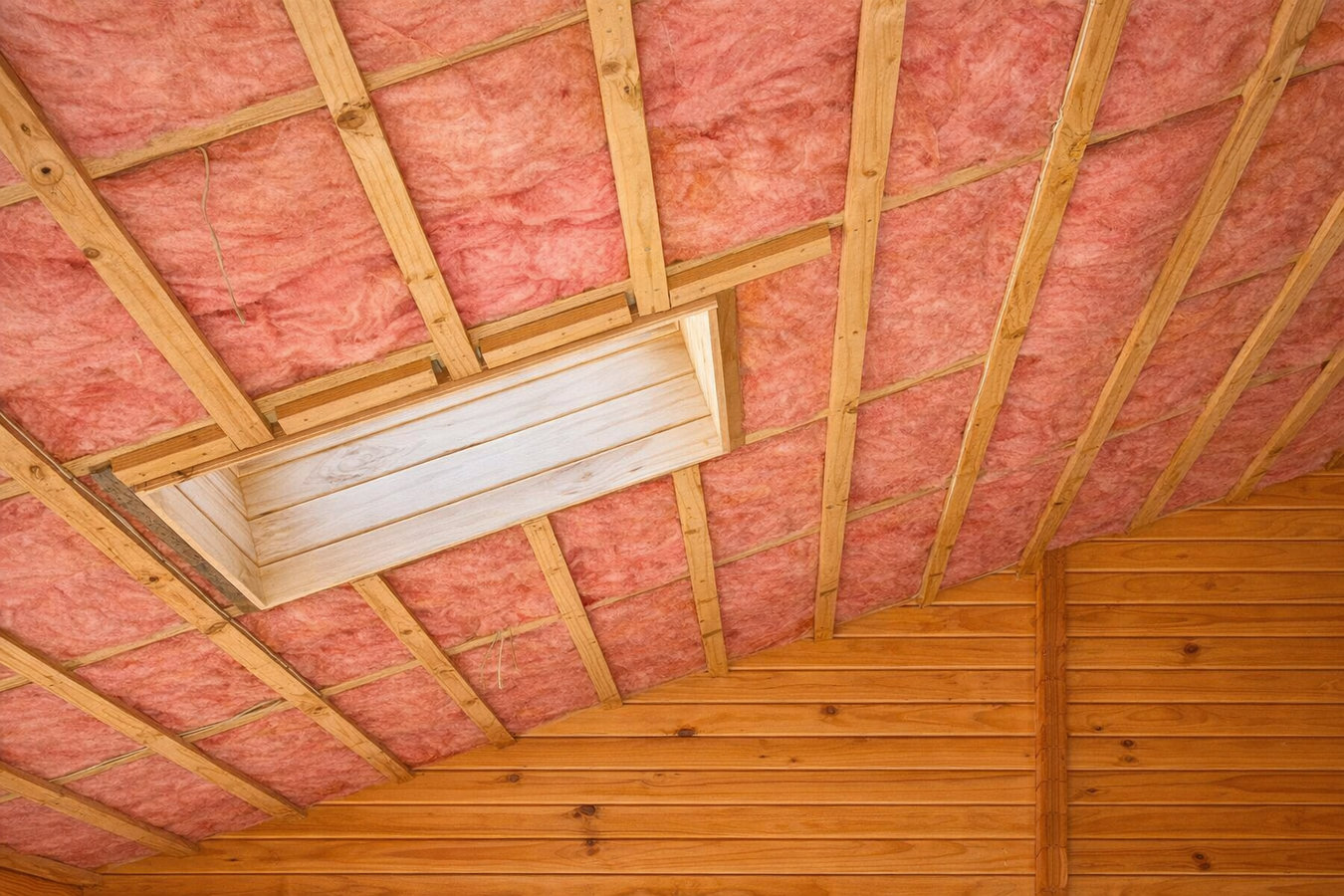
A whole-home insulation upgrade covers every heat pathway - attic, walls, and floors - so your Yucca Valley home stays comfortable year-round without your AC running nonstop.
Home insulation in Yucca Valley addresses the full thermal envelope of your house - attic, walls, and floor systems - using the right material for each location, with most jobs completed in one to two days depending on scope.
Yucca Valley sits at about 3,300 feet in the high desert, where summer highs regularly exceed 100 degrees and winter nights can dip into the 20s. A home built before 1990 - and a large share of local homes were - almost certainly has insulation well below what today's standards recommend for this climate. The attic is usually where the most heat enters, so starting there delivers the fastest comfort improvement. For homes that need the attic specifically addressed, insulation removal clears out old degraded material before a proper upgrade goes in.
Insulation slows heat from moving through your walls and ceiling by trapping tiny air pockets that resist heat flow. The higher the R-value, the better that resistance - and older homes here often fall well short of the levels this climate zone calls for. A proper upgrade addresses gaps and air leaks at the same time, since those pathways account for a significant share of heat gain.
If your air conditioner never seems to catch up on a hot Yucca Valley afternoon - even after running for hours - heat is likely pouring through your ceiling or walls faster than your system can remove it. This is one of the clearest signs that your insulation is not doing its job in a high-desert climate.
Yucca Valley's extreme temperature range means a well-insulated home should hold its temperature reasonably well in both seasons. If your electric bill jumps sharply in July and heating costs climb in January, your home is working much harder than it should - and insulation is usually the first place to look.
Hold your hand near the ceiling or an exterior wall on a hot afternoon. If you feel warmth radiating from the surface, heat is conducting straight through from outside. This is especially common in older Yucca Valley homes with little or no attic insulation - and it is a sign worth acting on before another summer.
If one bedroom is noticeably hotter or colder than the rest of the house, that room likely has a gap in insulation coverage - a missing section, a compressed batt, or an area that was never insulated. Uneven comfort room to room is a reliable sign that your coverage is inconsistent.
A whole-home insulation project starts with an on-site assessment that looks at every area - attic, walls, crawl spaces, and floor systems. We identify where the biggest heat pathways are and recommend a scope that fits your budget and your home's specific needs. For homes with old or degraded material in the attic, insulation removal is handled before new material goes in so nothing is layered over a compromised base.
For homes that are already occupied and finished - where opening walls is not practical - we offer retrofit insulation that adds coverage without a full renovation. Every installation includes air sealing around penetrations - the same gaps that let heat and desert dust into your home. We document the insulation levels achieved so you have everything needed for a rebate claim or future home sale.
The highest-priority upgrade for most Yucca Valley homes - stops the biggest single source of heat gain before it reaches your living space.
Adds thermal resistance to exterior walls in existing homes, reducing heat transfer through surfaces that can radiate warmth all day.
Addresses heat and cold coming through floor systems in homes with crawl spaces or raised foundations common in the area.
Suited for finished, occupied homes where blown-in material can be added without opening walls or disrupting living spaces.
Yucca Valley falls within one of California's most demanding climate zones. An under-insulated attic here can reach temperatures above 150 degrees on a summer afternoon - and that heat radiates directly into your living space, forcing your air conditioner to work much harder and driving up your electric bill month after month. A large share of the local housing stock dates from the 1960s through the 1980s, when energy codes were far less demanding than they are today. Many of those homes have little or no insulation in the walls and only a thin layer in the attic. The high winds and blowing sand common to the area also find their way through gaps that proper air sealing closes.
We work throughout the high desert and understand the housing conditions specific to this area. Homeowners in Desert Hot Springs and Morongo Valley face the same desert heat challenges and similarly aging housing stock, and we bring the same approach to every job in the region.
The U.S. Department of Energy provides guidance on insulation levels and types for different climates. You can read their overview at energy.gov. ENERGY STAR also offers a helpful home sealing and insulation guide.
We ask a few basic questions - home age, square footage, and what has been bothering you. We respond within 1 business day and schedule a time for an in-person assessment at no cost or obligation.
We inspect the attic, walls, any crawl space, and floor systems - measuring current insulation levels and looking for air gaps. This visit typically takes 30 to 60 minutes. We explain what we found in plain terms before we leave.
You receive a written estimate that spells out exactly what will be done, what materials will be used, and the total cost. We also flag any permits required for your project and identify potential rebate programs before you commit.
The crew arrives with the right equipment and materials. Attic blown-in insulation typically finishes in a few hours. Before leaving, we walk you through the finished work and provide documentation of insulation levels achieved - useful for rebate claims and future home sales.
We respond within 1 business day and schedule a free on-site assessment that covers your attic, walls, and floor systems. You will receive a written estimate with a clear scope before anything is agreed to - no pressure, no obligation.
We assess every area of your home - attic, walls, floor systems, and crawl spaces - before recommending a scope. Most contractors quote only the attic. We identify every heat pathway so your upgrade actually solves the problem.
We seal gaps around pipes, wires, and light fixtures before insulation goes in. The U.S. Department of Energy notes that air leaks can account for a significant share of a home's heating and cooling loss - sealing them is as important as the insulation itself.
Every job comes with written documentation of the insulation levels achieved and materials used. This is what you need for a utility rebate claim through Southern California Edison and for disclosing improvements when you sell the home.
A large portion of homes in this area were built in the 1960s through 1980s with minimal insulation standards. We know how those homes are constructed, where the gaps are, and what materials work best in a high-desert climate with extreme temperature swings.
A properly insulated home in Yucca Valley is not just more comfortable - it holds its value better, costs less to run every month, and qualifies for rebates and tax credits that can meaningfully offset the project cost, which is why choosing the right insulation contractor matters from the start. We make that process straightforward from the first call.
Old or damaged insulation needs to come out before a proper upgrade - safe removal and disposal handled from start to finish.
Learn MoreRetrofit insulation adds coverage to finished walls and existing spaces without a full gut renovation - ideal for occupied homes.
Learn MoreEvery Yucca Valley summer without proper insulation costs you money. A free on-site assessment shows you exactly where the gaps are - and what it takes to fix them.