Loading...
Serving Yucca Valley, CA and surrounding areas. (442) 205-1935
Yucca Valley Insulation provides air sealing, attic insulation, and spray foam services to Desert Hot Springs homeowners who are tired of watching their energy bills climb every summer. We have served the high desert and Coachella Valley corridor since 2019, and we reply to every inquiry within 1 business day.
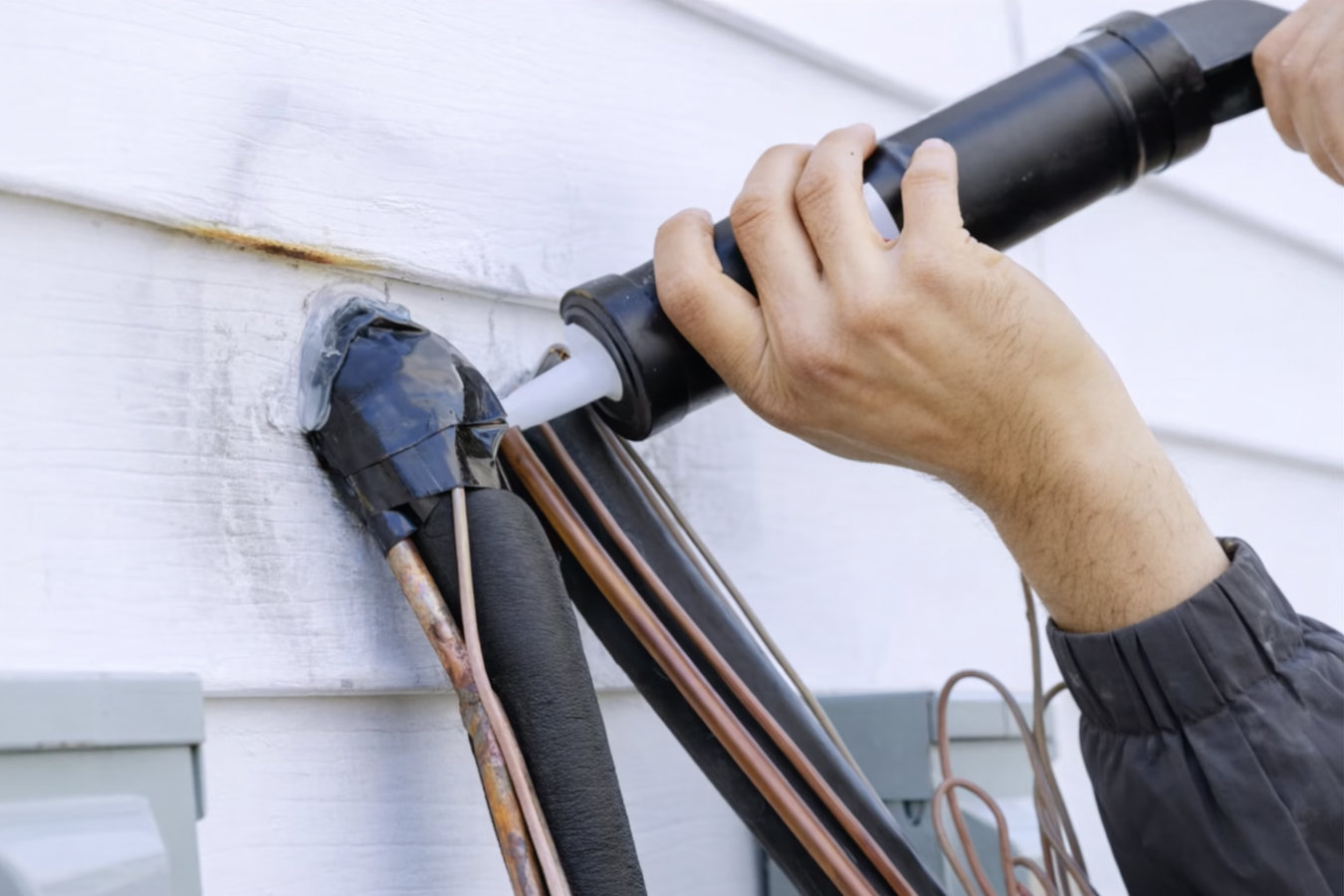
Desert Hot Springs sits at the northern entrance to the Coachella Valley, where the San Gorgonio Pass funnels some of the strongest winds in Southern California directly through the area. Professional air sealing closes the gaps around outlets, ceiling penetrations, and framing where that hot, sand-carrying air enters - cutting energy loss and reducing the dust that blows through even well-maintained homes here.
With summer temperatures regularly topping 110 degrees in Desert Hot Springs, attic spaces can become extreme heat sources that push directly into living areas below. Adding adequate attic insulation is the most effective single step to cut cooling costs and make the house genuinely livable through the long desert summer.
Homes in Desert Hot Springs built in the 1970s and 1980s often have air leakage around framing, pipes, and electrical penetrations that no amount of rolled insulation can fix. Spray foam fills those gaps completely, creating a true air barrier and a thermal barrier at the same time - the right solution for homes that need more than a basic top-off.
Many Desert Hot Springs homes have flat or low-slope roofs with attic spaces that are difficult to work in. Blown-in insulation can be installed through small access points and fills irregular cavities completely, making it practical for the varied roof styles found across Desert Hot Springs neighborhoods without tearing out ceilings.
The older neighborhoods near downtown Desert Hot Springs - and around local landmarks like Cabot's Pueblo Museum - have homes that were built with little thought for desert-climate energy performance. Retrofit insulation upgrades bring these older homes closer to modern California standards without major renovation, which matters when you are managing utility bills year-round.
Desert Hot Springs has a notable share of manufactured homes and older properties with crawl spaces. Installing a vapor barrier in those spaces protects floor framing and insulation from ground moisture, which matters more than most homeowners expect even in a dry desert climate during the brief winter rainy season.
Desert Hot Springs sits at the northern edge of the Coachella Valley where the valley floor meets the foothills of the San Bernardino Mountains. Elevations across the city range from about 1,000 to over 2,000 feet, which gives the area slightly cooler nights and noticeably more wind exposure than lower Coachella Valley cities like Palm Springs. The San Gorgonio Pass to the northwest funnels wind directly into town, and those gusts carry enough sand to work through any gap in a home's envelope. Summer temperatures regularly exceed 110 degrees, with heat waves pushing higher. Homes without adequate insulation and a proper air seal simply cannot be kept comfortable without running the air conditioner at full capacity for months.
The housing stock across Desert Hot Springs is wider in age range than many Coachella Valley cities. The older neighborhoods near the city center have homes from the 1960s and 1970s built when California energy codes were minimal, while newer subdivisions on the city's northern and eastern edges include modern construction with updated standards. Manufactured homes and mobile home parks are a real part of the local mix and have different insulation requirements than site-built houses. Many year-round residents are working families and retirees on fixed incomes for whom utility bills are a significant monthly expense - making energy-efficient insulation a practical financial decision, not just a comfort upgrade. Winter nights can drop below freezing at this elevation, so cold-weather performance matters too.
Our crew works throughout Desert Hot Springs regularly, and we understand the local conditions that affect insulation work here. When projects require permits, we pull them through the City of Desert Hot Springs building department and handle the process from start to finish so homeowners do not have to navigate the permit system themselves.
Desert Hot Springs is a city we are genuinely familiar with. We have worked on homes in the older neighborhoods near Cabot's Pueblo Museum, on properties in the newer subdivisions to the north, and on manufactured homes in mobile home parks throughout the city. The range of construction types here - from 1960s stucco bungalows to recently built single-family homes - means we bring the right approach for whatever we find. We also serve nearby Palm Springs and Morongo Valley, so if you have neighbors or family in either of those areas who need insulation work, we cover that ground too.
Call us or submit a request through our contact form. Tell us what you have been experiencing - high electric bills, rooms that stay hot, or dust coming through walls. We respond within 1 business day.
We visit your Desert Hot Springs home, inspect the attic, walls, or crawl space, and measure what is actually there. You receive a written, itemized estimate before any work begins - no pressure to commit on the day of the visit.
Most attic insulation and air sealing jobs in Desert Hot Springs are done in one day. You do not need to leave the home - our crew works in the attic and keeps your living areas clean throughout the job.
Before we leave, we walk through the completed work with you and confirm everything matches your estimate. If anything needs adjustment, we handle it before we pack up - not on a separate visit.
We serve Desert Hot Springs with air sealing, attic insulation, and spray foam. Tell us what your home needs and we will get back to you within 1 business day.
Desert Hot Springs is a city of roughly 34,000 people in Riverside County, sitting at the northern entrance to the Coachella Valley just north of Palm Springs. The city is best known for its natural underground mineral hot springs, which feed dozens of spas and small resort hotels throughout the area - including the well-known Two Bunch Palms resort. The historic Cabot's Pueblo Museum, a hand-built structure started in the 1940s by homesteader Cabot Yerxa, is one of the most distinctive landmarks in the Coachella Valley and draws visitors from across the region. The city has grown steadily in recent years partly because home prices here are lower than in neighboring Palm Springs, attracting working families and retirees who live here year-round rather than seasonally.
Neighborhoods in Desert Hot Springs range from the older homes near the city center to newer subdivisions on the northern and eastern edges. Stucco exteriors and flat or low-slope roofs are common across all eras of construction. Manufactured homes and mobile home parks are a visible part of the housing mix. Nearby Palm Springs shares the same valley heat and wind conditions, while Morongo Valley to the northwest sits in similar terrain and has comparable insulation needs - we serve both communities regularly.
High-density foam that adds structural strength and moisture resistance.
Learn MoreCode-compliant insulation solutions for commercial buildings of any size.
Learn MoreBlocks moisture intrusion to protect your crawl space and structure.
Learn MoreCall us or send a message today and we will respond within 1 business day with straightforward answers about what your home actually needs.