Loading...
Serving Yucca Valley, CA and surrounding areas. (442) 205-1935
Yucca Valley Insulation serves Cathedral City homeowners with blown-in insulation, attic insulation, and spray foam designed for a city where homes work hard through 110-degree summers and gusty desert winds. We reply within 1 business day and get on-site fast.
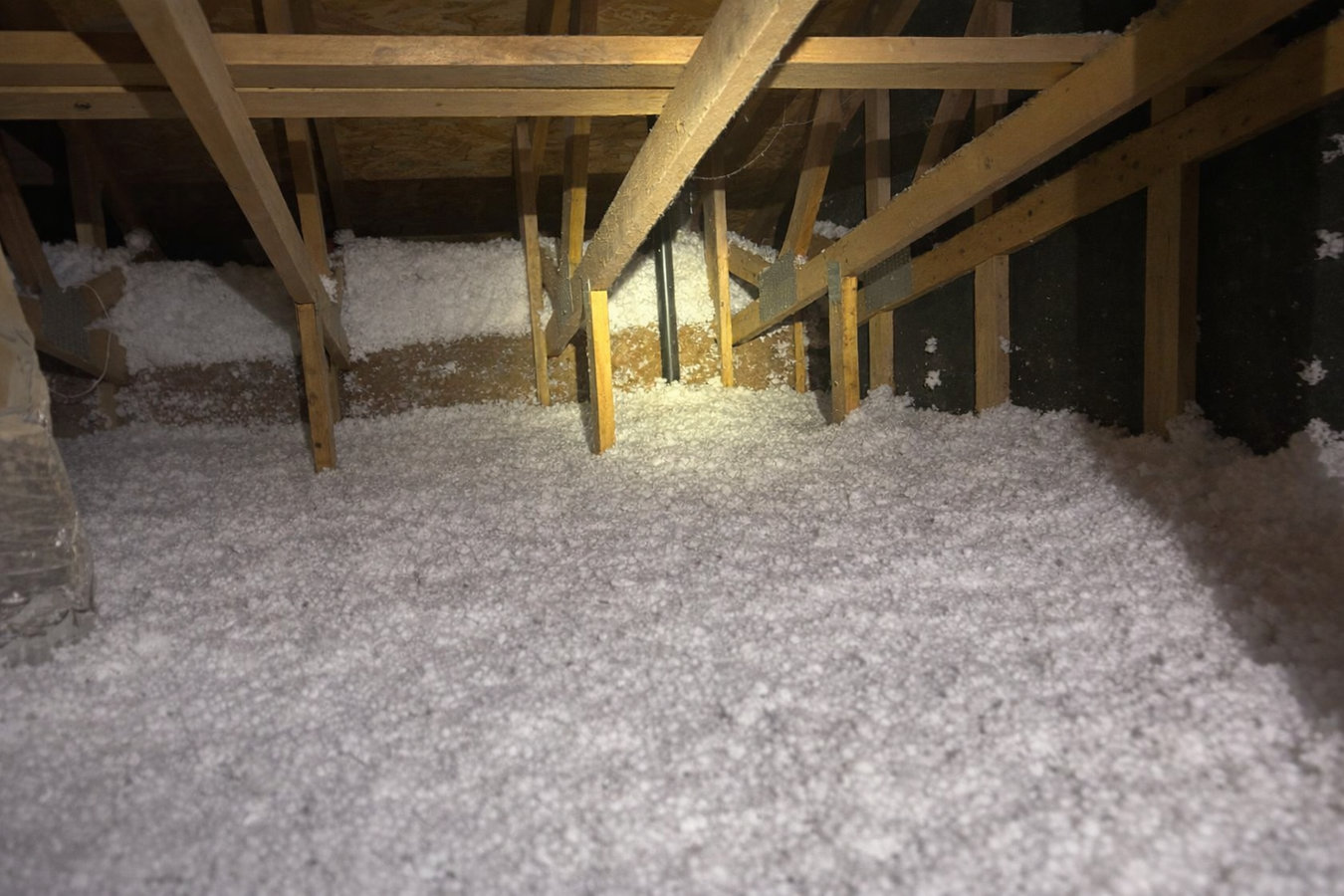
Cathedral City's 1970s and 1980s ranch homes often have settled, compressed original insulation that has lost most of its effectiveness over the decades. Our blown-in insulation fills attic cavities completely without opening walls, making it the most practical retrofit for this city's dominant housing stock.
Cathedral City's single-story ranch homes absorb relentless summer heat through their roofs, and the attic is where most of that heat enters the living space. Upgrading attic insulation is the single most cost-effective improvement for reducing cooling loads in this type of home during triple-digit summer months.
The high winds that sweep through Cathedral City from the San Gorgonio Pass drive air into every gap around pipes, wires, and window frames. Spray foam seals those air pathways while insulating at the same time, reducing both energy loss and the dust infiltration that Cathedral City homeowners deal with after every windstorm.
Older Cathedral City homes often have significant air leakage around ceiling penetrations, attic hatches, and the tops of interior walls. Sealing these gaps before adding new insulation dramatically improves the overall performance, so the insulation material you pay for actually does its job instead of letting hot outside air flow through around it.
Cathedral City homes from the 1970s and 1980s frequently have original insulation that is past its useful life - settled flat, contaminated with dust or pests, or waterlogged from a roof leak. Safe removal of that old material is a necessary first step before any effective upgrade can be installed.
Cathedral City gets very little rain most of the year, but late-summer monsoon storms can push water into crawl spaces and low-lying areas quickly. A properly installed vapor barrier protects the structure from moisture damage during those events and prevents ground moisture from affecting the home's air quality and framing during damp stretches.
Cathedral City is a year-round city of about 55,000 people, not a seasonal resort town. Most residents live here through the full calendar, including summers where temperatures regularly top 110 degrees and HVAC systems run for months without a break. The bulk of the city's housing was built between the 1970s and 1990s, meaning homes are now 30 to 50 years old - the age when original insulation has settled, compressed, and lost much of its effectiveness. Slab-foundation ranch homes with low-pitched roofs are the dominant housing type, and those roofs absorb heat from sunup to sundown in a way that drives cooling costs well above what modern insulation levels would require.
Wind is a factor that sets Cathedral City apart from most California markets. The San Gorgonio Pass to the northwest funnels powerful gusts into the valley, sometimes exceeding 60 miles per hour. Those winds push air through every gap in the building envelope, carrying heat in summer and cold in winter and making insulation that is not properly air-sealed significantly less effective than it should be. Late-summer monsoon storms bring flash flood risk to low-lying areas, and drainage around foundations and crawl spaces can be a real concern after heavy rain. Cathedral City homeowners dealing with high energy bills or post-storm moisture problems often find that insulation and air sealing are the fixes that make the biggest difference.
Our crew works throughout Cathedral City regularly, and we understand the local conditions that affect insulation work here. The city has two distinct sides. The older neighborhoods near Date Palm Drive and the city's commercial center are dense with 1970s and 1980s tract homes that share similar construction methods - slab foundations, stucco exteriors, and low-pitch roofs that were built fast during the Coachella Valley's growth boom. The south side of Cathedral City, toward the base of the Santa Rosa Mountains, has newer homes from the 2000s with different roofing and construction. Our team has worked on both ends of that range and knows what to expect in each neighborhood.
We also serve Thousand Palms just to the east and Palm Springs to the northwest. If you have neighbors or family in those communities who need insulation work, we cover the entire corridor along Highway 111 and can often handle jobs in multiple cities on the same trip to reduce your mobilization cost.
Call us or fill out our online contact form with a few details about your home and what you have been noticing. We respond within 1 business day and can usually get on-site within the week.
We come out, inspect your attic or crawl space, and look at the areas driving your concern. You get a written estimate with a clear scope and price before any work starts - and we address any cost questions while we are there.
A blown-in or attic insulation job on a standard Cathedral City ranch home takes one full day. Jobs with more extensive scope or air sealing work may require a second day. You do not need to be home for the entire job, but we ask that someone is available for the opening walkthrough.
After the work is done we clean up the workspace and walk you through the completed job so you can see what was installed. If permits were required, we confirm all inspections are closed before the project is finished.
We serve Cathedral City homeowners with straightforward estimates and no pressure. Send us a message or call and we will be back in touch within 1 business day.
Cathedral City is a city of about 55,000 residents sitting in the middle of the Coachella Valley, bordered by Palm Springs to the northwest and Rancho Mirage to the southeast. Unlike its better-known neighbor, Cathedral City is primarily a working residential community where most people live year-round. The city grew rapidly during the 1970s, 1980s, and 1990s, and the neighborhoods built during that period - centered around Date Palm Drive and the Cathedral Canyon Country Club area - define the bulk of the city's housing stock. Single-story ranch homes on slab foundations, stucco exteriors, and in-ground pools are the standard. The city also has a notable share of manufactured housing, particularly toward the southern and eastern edges, and some newer construction near the base of the Santa Rosa Mountains where lots are larger and homes are newer.
The city's position in the valley means it gets the full force of the winds that funnel through the San Gorgonio Pass to the northwest - the same winds that power the rows of turbines visible from Interstate 10. Those windstorms are part of life here and affect the building envelope in ways that homeowners from other parts of California do not expect. To the east, Thousand Palms has a similar mix of older homes and residents who face the same desert climate challenges, and we serve that community as well.
High-density foam that adds structural strength and moisture resistance.
Learn MoreCode-compliant insulation solutions for commercial buildings of any size.
Learn MoreBlocks moisture intrusion to protect your crawl space and structure.
Learn MoreBetter insulation is the most direct fix for high summer energy bills. Call us or submit a request and we will get out for a free estimate.